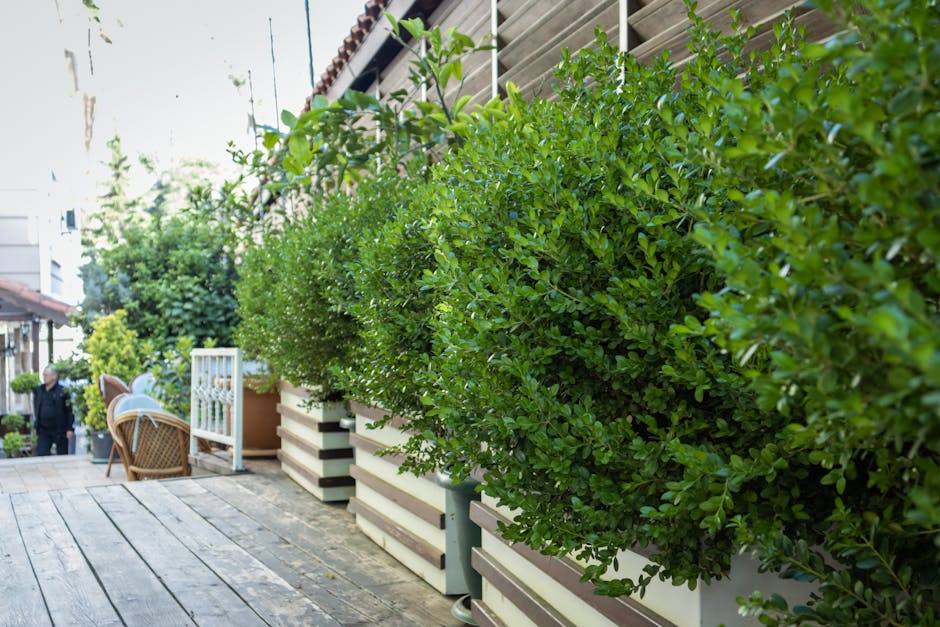
Top rated gardeners for small terraces near Turnham Green

If you have a small terrace near Turnham Green, you probably already know the challenge: there's never quite enough room for everything you want, and yet somehow the space still needs to feel calm, green, and easy to live with. That is exactly where top rated gardeners for small terraces near Turnham Green earn their keep. The right gardener can turn a tight, awkward outdoor area into something that feels considered rather than cluttered, private rather than exposed, and genuinely useful through the seasons.
This guide walks through what to look for, how terrace gardening works in a London setting, and how to choose a gardener who understands the realities of compact urban spaces. We'll cover practical benefits, common mistakes, compliance and best practice, plus a few real-world considerations that people often miss until they're already knee-deep in planters. Let's face it, a small terrace can be brilliant - but only if the planting, drainage, layout, and maintenance plan all work together.
For broader support across related garden work, you may also find the site's garden maintenance service and landscape gardening options useful when you're deciding how much help you actually need.
Why Top rated gardeners for small terraces near Turnham Green Matters
Small terraces are not just "small gardens". They're a different kind of space altogether. Wind can funnel between buildings, shade can arrive earlier than you expect, and one badly chosen pot can make the whole area feel cramped. A gardener who regularly works on terrace spaces near Turnham Green will usually understand how to balance style, plant health, and access in a very confined footprint.
That local understanding matters more than people think. In this part of west London, terraces often need solutions that are tidy, resilient, and realistic for day-to-day life. Maybe you want a morning coffee spot, a bit of privacy from neighbouring windows, or a low-maintenance arrangement that still feels alive in winter. The best gardeners do not just fill space. They plan for how you will actually use it.
There's also a value angle. Good terrace gardening can reduce wasted purchases, poor plant choices, and repeated rework. That sounds unglamorous, but it's true. A well-designed compact terrace often looks more expensive and feels more settled than a larger one that has been bought in bits and pieces. Truth be told, a small area can be easier to get right - if the person designing it knows what they're doing.
For local homeowners, tenants, landlords, and busy professionals, the right help can also mean less guesswork. You don't have to spend every Saturday moving pots around because the first arrangement looked fine in the shop and then fell apart in the wind by Tuesday.
How Top rated gardeners for small terraces near Turnham Green Works
In practice, terrace gardening starts with a close look at the space, not a catalogue of plants. A good gardener will usually assess sun and shade, wind exposure, drainage, access, privacy needs, and what the terrace is meant to do. Is it a dining area, a quiet retreat, a place for children, or simply a greener view from inside? That first conversation shapes everything else.
From there, the work usually falls into a few stages. First comes planning. Then comes material and plant selection. After that, installation or refresh work begins - often involving containers, soil improvements, pruning, edging, screening, or more structural changes such as decking, trellis work, or raised planters. If the terrace needs a bigger reset, a gardener may also suggest a coordinated approach with decking services or wider landscaping support.
For many small terraces, maintenance is the real difference-maker. You can have a brilliant design, but if it is not pruned, watered, fed, and checked for drainage issues, the effect fades quickly. London weather has a habit of being a bit rude about that. One week of sun, then rain, then a gusty day that scatters everything. So the best gardeners build in a maintenance rhythm from the start.
It also helps if the gardener understands the practical side of working in tight urban spaces: carrying materials through narrow access, protecting shared walkways, keeping noise reasonable, and leaving the terrace tidy. That's not glamour work, but it matters. A lot.
Key Benefits and Practical Advantages
Hiring a skilled gardener for a small terrace is about more than nice plants. The benefits are usually quite tangible once the work is done.
- Better use of space: Compact terraces need layouts that avoid visual clutter while still giving you enough planting, seating, and movement room.
- Healthier plants: The right pot size, compost mix, and position can make a huge difference to survival and growth.
- More privacy: Strategic screening with planting or trellis can soften overlooked spaces without making them feel boxed in.
- Lower maintenance stress: A well-designed terrace is easier to water, prune, and keep neat.
- Better year-round appearance: Good gardeners plan for winter interest, not just the spring flush. That's a big one.
- Improved property appeal: A cared-for outdoor area can make a flat or townhouse feel more complete and more inviting.
There's a less obvious benefit too: confidence. When a terrace has been planned properly, you stop second-guessing every purchase. You know where the herbs will go. You know which pots need moving in cold weather. You know which corner gets the harshest afternoon sun. That kind of clarity saves time and money, and it makes the space more enjoyable, plain and simple.
And if you've ever stood on a terrace holding a dead fern and wondered what went wrong, you will appreciate the value of having a plan rather than a guess.
Who This Is For and When It Makes Sense
This kind of service makes sense for a surprisingly wide range of people. You do not need a grand garden to benefit from a professional gardener. In fact, small outdoor areas often benefit the most because mistakes are more visible.
It is especially useful if you are:
- a homeowner who wants a low-fuss but polished terrace
- a tenant looking to improve a private outdoor space without overcommitting
- a landlord preparing a property for viewings or a new let
- someone with limited time who still wants plants, but not a full second job
- an enthusiast who knows what they like but needs a practical layout and proper maintenance
It also makes sense if your terrace has a specific problem. Maybe it is dry all summer. Maybe the planter arrangement feels random. Maybe the space is nice in theory but a bit awkward to use in reality. Or maybe you've got a lovely set of pots, but no sense of cohesion. That happens more often than people admit.
A good gardener is not only for major overhauls. Sometimes you simply need a sharper eye, a better planting palette, and a sensible maintenance routine. That's enough to transform the feel of the whole space.
Step-by-Step Guidance
If you are trying to choose or work with a gardener for a small terrace near Turnham Green, this is a practical way to approach it.
- Clarify the outcome you want. Do you want privacy, colour, low maintenance, edible planting, or a more sociable space? Decide the main priority first.
- Measure the space properly. Even rough dimensions help. A good gardener will want to know widths, access points, and where the light falls during the day.
- Note the problems. List the awkward bits: wind, lack of storage, water pooling, shade, or pots that dry out too quickly.
- Discuss style and upkeep. Be honest about how much maintenance you can manage. A beautiful but needy arrangement is a bad fit if you travel often.
- Ask what is included. Will the gardener source plants? Reuse existing containers? Improve soil? Install screening? These details affect both budget and outcome.
- Review the planting plan. Ask how the design will look in summer and in winter. A single-season plan can be disappointing later on.
- Confirm maintenance frequency. A terrace with pots may need more regular checking than you expect, especially in warm weather.
A small but useful tip: take photos of the terrace at different times of day before your consultation. Morning light and late-afternoon glare can change the whole feel of the space. It's a tiny thing, but it helps.
If you want to understand the service range more broadly, a look through the wider services overview can help you compare maintenance, clearance, planting, and more ambitious landscaping work.
Expert Tips for Better Results
In our experience, the best terrace results come from restraint, repetition, and good seasonal planning. That sounds simple, but it's where a lot of projects go off the rails.
1. Limit the plant palette. A few well-chosen species repeated in different containers usually looks more elegant than a mixed jumble. You can still have variety, just not chaos.
2. Use height carefully. On a small terrace, vertical interest matters. Trellis, wall planters, climbers, and tall pots can create structure. But too much vertical clutter and the space begins to feel hemmed in. Balance is everything.
3. Choose containers for function, not just looks. Lightweight pots may suit upper terraces, while heavier ones can feel more stable in windy conditions. Drainage holes are non-negotiable. No, really.
4. Think about watering access. If reaching some pots is awkward, the maintenance burden rises fast. Put the thirstiest or most delicate plants where they're easiest to reach.
5. Plan for winter from the start. Evergreen structure, bark texture, berries, grasses, and evergreen climbers can prevent the terrace from looking bare when the blooms fade.
6. Leave space to breathe. A terrace needs some negative space. Not every corner has to be filled. In fact, the empty bit is often what makes the planting feel intentional.
And yes, that last one is a lesson many of us learn the hard way after buying "just one more planter."
For terraces that need stronger privacy or a more layered feel, the ideas in tall potted plant ideas for a secluded and stylish backyard can also translate well to compact urban outdoor spaces.
Common Mistakes to Avoid
Small terraces are forgiving in some ways, but they also punish poor planning quickly. Here are the mistakes that come up again and again.
- Overfilling the space: Too many pots can make the terrace feel smaller than it is.
- Ignoring wind exposure: Tall or top-heavy plants may topple, especially in exposed spots.
- Choosing plants for a shop display, not the site: A plant that looked perfect indoors may struggle badly outside in direct sun or shade.
- Forgetting drainage: Pooling water damages roots and creates ongoing maintenance headaches.
- Mixing too many styles: When every pot, colour, and texture pulls in a different direction, the terrace loses coherence.
- Skipping maintenance planning: A terrace can go from smart to scruffy faster than you'd think.
One of the quietest mistakes is rushing the project. People often buy plants before they understand the microclimate. That's backwards. On a small terrace, the site should lead the design, not the other way round.
Another common issue is treating maintenance as an afterthought. It shouldn't be. A few 10-minute check-ins can prevent a lot of damage later on, especially after hot spells or heavy rain.
Tools, Resources and Recommendations
You do not need a shed full of specialist gear, but the right tools make terrace care much easier. For most small outdoor spaces, these are the practical basics.
- Lightweight secateurs: Useful for deadheading and small pruning jobs.
- Watering can or hose attachment: Especially important if the terrace has several containers.
- Good-quality compost: Container plants live or die by what's in the pot.
- Mulch or top dressing: Helps retain moisture and gives pots a tidier finish.
- Plant supports and ties: Handy for climbers, tall perennials, and softer stems.
- Moisture meter or simple hand check: Not essential, but useful if you're still learning when to water.
On the service side, a few related pages are worth exploring if your terrace needs more than plant care. For example, garden clearance can help if you need old materials removed first, while hedge trimming may be relevant where boundary planting or screening needs neatening.
If you are comparing quotes, check whether the gardener explains materials, disposal, and ongoing maintenance clearly. The cheapest quote can become the most expensive one if it leaves out essentials. Been there, seen that.
Law, Compliance, Standards, or Best Practice
For a small terrace garden, the main compliance issues are usually practical rather than dramatic, but they still matter. If a gardener is working in a shared building or close to neighbouring properties, they should operate safely, keep access clear, and avoid causing unnecessary disruption. Good practice matters as much as speed.
In the UK, you should expect sensible health and safety behaviour, especially where tools, ladders, or heavier materials are involved. If a contractor is working near walls, railings, or upper-level terrace structures, they should use appropriate caution and take account of access conditions. If they bring in machinery or plan any larger structural work, it is reasonable to ask how they manage insurance and site safety. A trustworthy business should be able to discuss that plainly.
Best practice also includes waste handling. If old planters, cuttings, or broken materials need removing, ask how recycling and disposal are handled. Responsible green waste management is increasingly expected, and it just feels better to know the job hasn't left a trail of debris behind it.
If you are checking a provider's operational standards, pages like insurance and safety, health and safety policy, and recycling and sustainability can help you understand how they approach the work. That's not red tape for the sake of it. It's part of hiring with confidence.
Options, Methods, or Comparison Table
Not every terrace needs the same level of intervention. Some spaces just need a refresh. Others need a proper redesign. Here's a simple comparison to help you think it through.
| Approach | Best for | Typical benefit | Watch out for |
|---|---|---|---|
| Light tidy-up and planting refresh | Terraces that already have a decent layout | Quick improvement with minimal disruption | Can be too small a change if the structure is poor |
| Maintenance-led care plan | Busy households or tenants | Keeps plants healthy and the terrace tidy | Needs consistency, especially in warm weather |
| Full redesign | Awkward, tired, or underused terraces | Major improvement in function and appearance | More planning, more budget, more decisions |
| Screening and privacy upgrade | Overlooked or exposed terraces | Makes the space feel calmer and more private | Must be balanced so the terrace does not feel boxed in |
If you are unsure which route to choose, start with the simplest option that addresses the actual problem. A lot of people jump straight to a full redesign when a maintenance reset would have done the trick. Not always, but often enough.
For a broader sense of how different outdoor works fit together, you may also want to review the site's lawn mowing and tree lopping and removal services if your terrace opens onto a larger garden or nearby trees are affecting light and leaf drop.
Case Study or Real-World Example
Here's a realistic example. A small terrace near Turnham Green was being used mostly as storage: a couple of tired pots, a folding chair, and not much else. The owner wanted somewhere that felt pleasant to sit in the evening, but did not want a high-maintenance project. The biggest issues were wind exposure, lack of privacy, and patchy sunlight.
The gardener started by clearing the clutter, reusing a few containers that were still in good shape, and introducing a simple structure: one taller screening element, a few medium-height evergreen plants, and lower seasonal planting for colour. The layout left a clear walkway and enough room for a table without feeling cramped. A smaller number of pots were grouped intentionally rather than scattered around the edges. Much tidier.
The result was not flashy. That is the point. It felt composed. In the late afternoon, the terrace became a place you would actually use, not just look at from the kitchen window. The owner also had a sensible maintenance plan, which meant the space stayed neat rather than drifting back into "bin area with plants" territory. Harsh? Maybe a little. But honest.
The key lesson is that a small terrace often improves most when you simplify first and add style second. That sequence matters.
Practical Checklist
Before you hire or brief a gardener, run through this list. It will save time and, frankly, a few headaches.
- Measure the terrace and note access routes
- Identify sun, shade, and wind patterns
- Decide whether the priority is privacy, colour, low maintenance, or seating
- List any drainage issues or water pooling spots
- Check which planters or materials can be reused
- Ask how often the space will need maintenance
- Confirm whether waste removal is included
- Ask about insurance, safety, and site protection
- Request a clear explanation of plant choices
- Think about how the terrace should look in winter, not just summer
Expert summary: The best terrace gardeners do not try to cram more into a small space. They shape the space so every part earns its place. That is the difference between a terrace that merely has plants and one that actually feels designed.
Get a free quote today and see how much you can save.
Conclusion
Choosing top rated gardeners for small terraces near Turnham Green is really about fit: fit for the size of the space, fit for the local conditions, and fit for the way you actually live. A thoughtful gardener will help you avoid clutter, choose plants that can handle the site, and create something that feels calm instead of crowded. That's the goal, after all.
Whether your terrace needs a full redesign or just a more disciplined maintenance plan, the right expertise makes the difference between a space you pass by and a space you enjoy. And when a small terrace is done well, it can feel surprisingly generous. Almost like an extra room, just with better air.
If you are ready to take the next step, start with a clear brief, ask sensible questions, and choose someone who respects the details. The right help really does make outdoor life easier, one pot at a time.
Frequently Asked Questions
What should I look for in a gardener for a small terrace near Turnham Green?
Look for someone who understands compact spaces, container planting, drainage, light conditions, and regular maintenance. Experience with urban terraces matters because these spaces behave differently from larger gardens.
How much work does a small terrace garden usually need?
It depends on the planting style, but container-heavy terraces often need more regular watering and checking than people expect. A good gardener will help you set a maintenance rhythm that matches your routine.
Can a small terrace still feel private?
Yes. Careful use of tall pots, climbers, trellis, and layered planting can soften views without making the terrace feel boxed in. The trick is balance, not bulk.
Is it worth hiring a gardener for a tiny outdoor space?
Often, yes. Small spaces are where planning mistakes show up fastest. A gardener can help you avoid wasted purchases, choose better plants, and make the terrace easier to live with.
Do gardeners provide plants and pots, or just labour?
That varies. Some gardeners source materials, while others work with what you already have. It is worth asking upfront so you know exactly what is included in the quote.
What if my terrace gets a lot of wind?
Wind changes everything. You may need heavier pots, more sheltered planting positions, and sturdier plants. A gardener familiar with terrace conditions will plan for that rather than hoping for the best.
How do I keep a terrace garden low maintenance?
Choose resilient plants, limit the number of container types, and make sure the layout is easy to water and prune. Simpler designs are usually easier to maintain over time.
Should I ask about insurance and safety?
Yes, absolutely. If work involves tools, ladders, heavy materials, or shared access areas, it is sensible to confirm the gardener has appropriate safety procedures and insurance in place.
Can a gardener help if my terrace is already cluttered and messy?
Definitely. Clearance, pruning, and a reset of the layout are often the first steps before any real design work can happen. Sometimes you need to clear the deck a bit before the terrace can improve.
What is the biggest mistake people make with small terraces?
Overcrowding is probably the most common issue. Too many pots, too many colours, too many competing ideas. A small terrace works best when the design is deliberate and restrained.
How often should a terrace garden be reviewed or refreshed?
A seasonal review is a sensible rhythm for most spaces, with extra checks during hot spells or after storms. Even a very tidy terrace benefits from a little attention now and then.
Where can I learn more about related garden services?
You can explore the wider service pages and related articles on this site, including maintenance, landscaping, clearance, and planting ideas. That makes it easier to build a plan that suits both the space and your budget.